Published research from our team. This article is a plain-language summary of a peer-reviewed review by our clinician Rahema Zafar, LPC.
Zafar, S. R. (2026). Prefrontal Cortex Dysfunction in Social Anxiety Disorder: A Critical Review. Journal of Clinical Psychology and Neurology, 4(3), 1–8. doi.org/10.61440/JCPN.2026.v4.89
When you feel socially anxious, it can seem as though your mind simply will not cooperate. You know the conversation is probably fine, yet your body and thoughts insist otherwise. Neuroscience is beginning to show part of why.
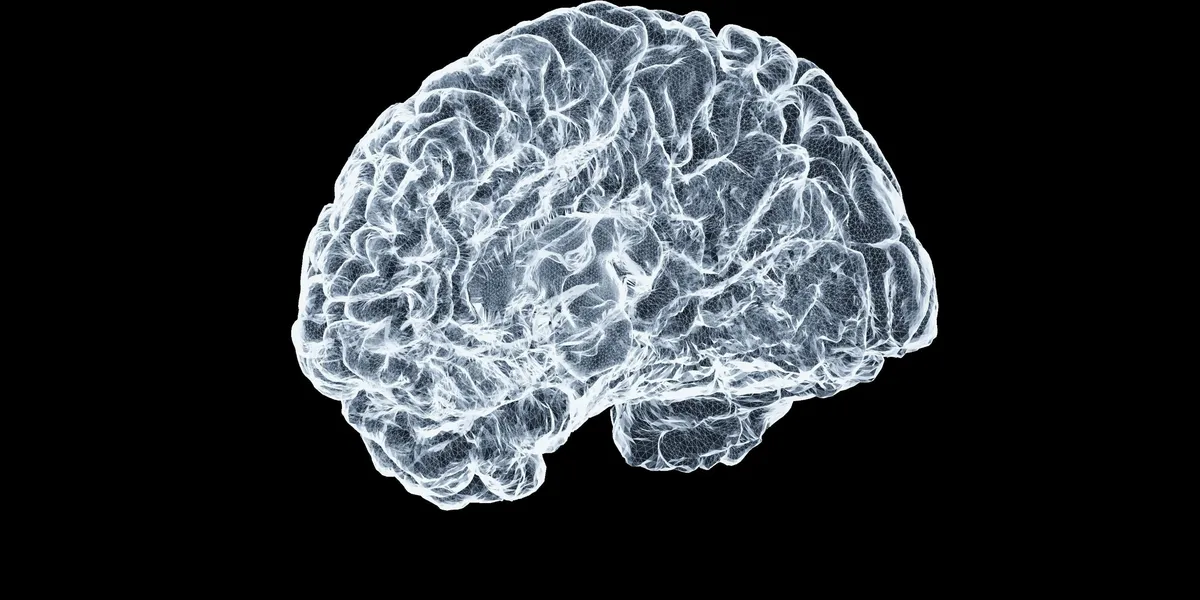
In a published critical review, our clinician Rahema Zafar examined five recent brain-imaging studies on the prefrontal cortex, the front part of the brain involved in regulating emotion, evaluating ourselves, and adjusting how we respond to other people. Her review asks a careful question: what does the evidence actually show, and what does it not yet show?
Why the prefrontal cortex matters in social anxiety
Social anxiety disorder centers on a fear of negative evaluation. The prefrontal cortex helps us keep goals in mind, manage emotional reactions, and judge how relevant information is to ourselves. Different parts of it do different jobs. Some areas support deliberate control, while areas toward the middle of the brain help evaluate the self and emotional meaning.
Because these functions are so closely tied to social life, researchers have looked at whether the prefrontal cortex works differently in people with social anxiety, both in how active it is and in how it communicates with other brain regions.
What the five studies found
The studies looked at the brain during several kinds of experiences:
- Regulating emotion. When people tried to calm their reactions to angry or fearful faces, those with social anxiety showed differences in how prefrontal regions communicated with each other, though not the expected weaker “braking” of the amygdala, the brain’s alarm center.
- Imagining how others see us. When young people judged how others would describe them, those with social anxiety showed altered connections with the medial prefrontal cortex, an area tied to self-reflection.
- Receiving social feedback. One study found less engagement of brain networks involved in control and attention when people with social anxiety received feedback from others.
- At rest. Early-life adversity changed the picture. Difficult childhood experiences appeared to shape how prefrontal networks were connected in people with social anxiety.
- Early medication effects. After just one week of escitalopram, an SSRI, activity in a left frontal region changed in response to negative words about the self, even though people had not yet reported feeling better. The researchers suggest this kind of change might come before symptoms improve.
Reading the evidence carefully
A key strength of the review is its honesty about limits. The findings were not always consistent. Results depended on the task, the people studied, and the methods used. Most studies were relatively small and measured people at a single point in time, so they cannot show whether these brain differences cause social anxiety, result from it, or change with treatment.
The review also notes that many samples came from a narrow range of cultural backgrounds, which limits how far the findings can be generalized. It calls for longer-term studies, independent replication, and more diverse participants.
What this means for you
For anyone living with social anxiety, this research carries a reassuring message: the struggle is not simply a matter of willpower. Brain systems that handle emotion regulation and self-evaluation appear to work somewhat differently, which helps explain why anxious thoughts can feel so convincing in the moment.
It is just as important to remember that the brain is not fixed. Early evidence suggests that prefrontal activity can shift with treatment, and approaches such as therapy and, when appropriate, medication help many people feel more at ease in social situations.
The takeaway
Current evidence supports a link between social anxiety and differences in how the prefrontal cortex activates and connects with other brain regions. The picture is still developing, and the review is careful not to overstate it. Understanding the brain side of social anxiety can reduce self-blame and point toward care that addresses both the mind and the body.
If social anxiety is affecting your life and you would like to talk with a clinician:
This article is for educational purposes and is not a substitute for individualized medical or mental-health advice. If you are in crisis, please contact your local emergency services or a crisis helpline immediately.